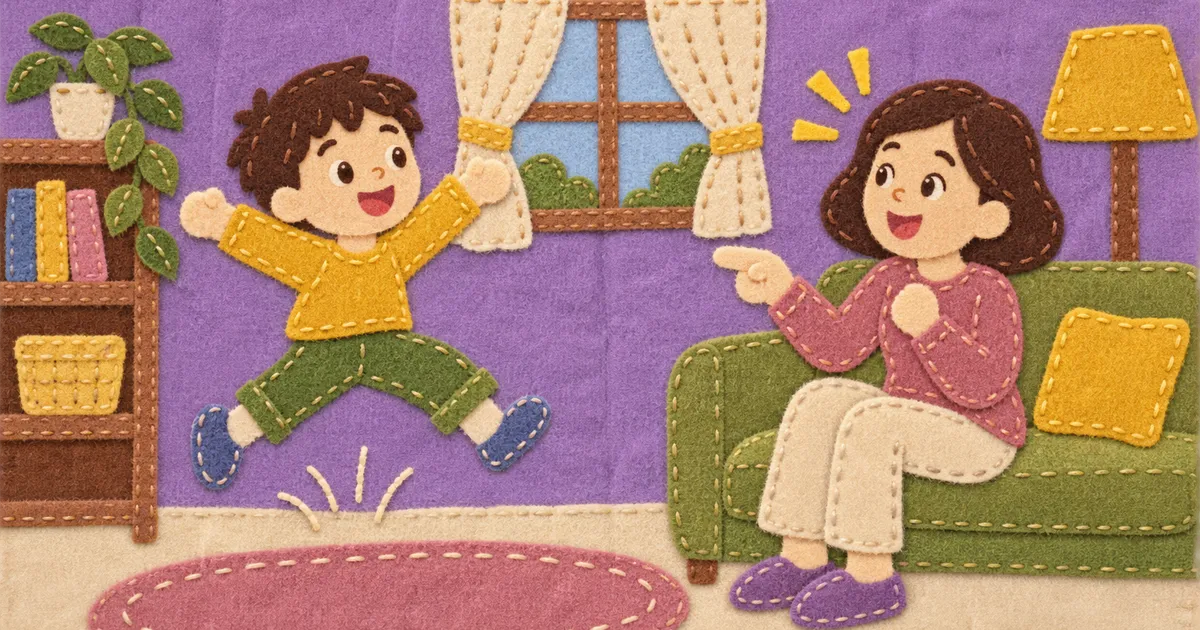
English Sentence Structures for Kids
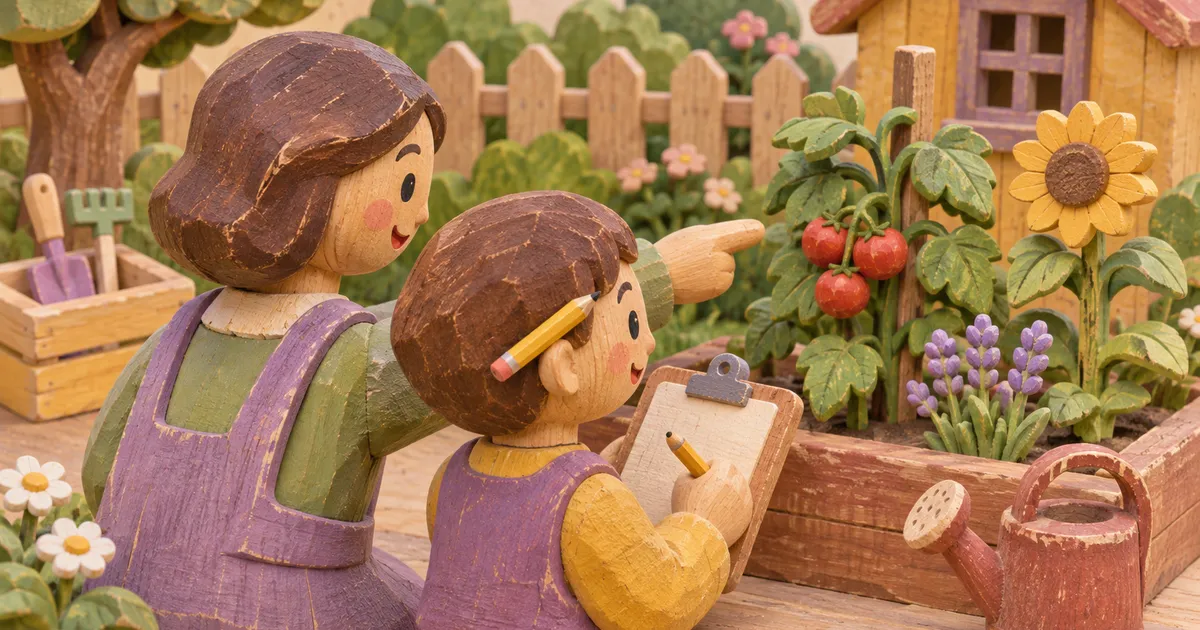
English sentence structures for kids are patterns showing how words express a complete idea. Children may start with “Birds fly,” add detail in “The small birds fly,” then connect ideas in “The birds fly away because winter is coming.” This guide explains what to teach, how to model it, and how to practise during family routines. The goal is gradual progress: helping your child build complete sentences, recognise patterns, and speak with confidence.
What Families Need to Know
A sentence expresses a complete idea. “The dog” only names something; “The dog sleeps” explains what happens. Young learners can use the pattern before learning technical labels. Start with meaning: who or what, then what happens. Add grammar terms later when they support understanding.
Practise English sentence structures for kids by expanding a short sentence. Start with “I read.” Add an object: “I read books.” Add detail: “I read funny books after dinner.” The example shows how a sentence grows while retaining its basic shape.
English word order signals meaning. Compare “The cat chased the mouse” with “The mouse chased the cat.” The words stay almost the same, but the roles reverse. Let your child rearrange words and explain how each order changes the event. Familiar nouns and actions keep attention on the pattern.
Core Patterns to Teach First
The patterns cover statements, descriptions, questions, negatives, and linked ideas. Teach one or two at a time. Model three examples before asking your child to create one. Choose words from daily life: play, school, food, or family routines.
These English sentence structures for kids offer a teaching sequence, not a test ladder. A multilingual child may ask long questions while missing a verb ending. Keep modelling the full form and allow time for each pattern to settle.
How to Use the Patterns at Home
Practise English sentence structures for kids through existing routines. At breakfast, use “I would like…” At tidy-up time, try “The book goes on…” Before bed, ask “What happened after…?” Familiar settings remove the need to invent a topic.
Model the pattern, then pause for your child to fill the gap. Say, “The apple is…” and wait for “red,” “sweet,” or “on the plate.” Expand the reply: “Yes, the apple is sweet.” The expanded sentence provides the correct form without marking the first answer wrong.
Keep correction brief and calm. If your child says, “He go to school,” reply, “Yes, he goes to school at eight.” The conversation continues while your child hears the correct form in context. In LearnLink lessons, our tutors use modelling, prompts, and follow-up questions to extend each idea.
Examples for Different Ages
For school-age kids, use short sentences about visible objects and actions: “I jump,” “The car is blue,” and “Teddy is under the chair.” Pictures, toys, movement, and repeated story lines reinforce the pattern. Accept one-word answers, then model the complete sentence.
For school-age kids, expand familiar patterns with time, place, and reason: “We play outside after lunch,” or “I chose the green pencil because it is bright.” Children can sort jumbled words, compare statements and questions, or replace one sentence part while retaining the rest.
For school-age kids, English sentence structures for kids can include contrast, condition, and relative clauses: “Although I was tired, I finished the book,” “If it rains, we will stay inside,” and “The game that we played was difficult.” Spoken examples should still come before formal analysis.
Practical Activities That Build Sentences
Play sentence expansion. Start with “The rabbit runs.” Each person adds one detail without changing the core meaning: “The white rabbit runs,” “The white rabbit runs across the garden,” and “The white rabbit runs across the garden every morning.” Stop when the sentence becomes hard to follow.
Make a three-pile card game: people or things, actions, and places or details. Draw one card from each pile and form a sentence. An odd result such as “My grandmother dances on the moon” works when the structure is sound.
Five-minute Sentence Challenge
Choose one object in the room. Ask for four sentences: a statement, a negative statement, a question, and a sentence with “because.” For a lamp: “The lamp is bright.” “The lamp is not red.” “Is the lamp new?” “We use the lamp because the room is dark.”
Effective practice with English sentence structures for kids is brief, frequent, and tied to meaning. Stop while your child remains engaged. Reuse the pattern another day with new words instead of introducing a new rule during every session.
- Choose three picture cards and ask your child to build one sentence.
- Write five familiar nouns, then pair each with a vivid action verb.
- Open a favorite book and copy one sentence pattern with new words.
- Sort examples into questions, statements, commands, and exclamations using colored cards.
- Review English sentence structures for kids by expanding one sentence with details.
When a word has several meanings or pronunciations, Cambridge Dictionary is a useful check before turning it into child-friendly examples.
Frequently Asked Questions
How Many Sentence Patterns Should My Child Learn at Once?
Begin with one or two patterns matching your child’s current speech. For example, practise “I like…” and “I do not like…” during the same week. English sentence structures for kids become easier when words change but the frame stays familiar. Add another pattern when the first ones need little prompting.
Should I Correct Every Sentence Mistake?
No. Correct mistakes that block meaning or involve the pattern under practice. For other errors, give a natural model and continue the conversation. If your child says, “Yesterday we go park,” answer, “Yes, yesterday we went to the park.” This builds accuracy without turning every exchange into a test.
Can a Multilingual Child Mix Languages While Learning Sentence Structure?
Yes. Multilingual children may combine languages to express an idea. Acknowledge the meaning, then provide the needed English sentence: “You want the blue cup. Here is the blue cup.” The response confirms the message and supplies the target pattern. Do not ignore the other language or demand immediate repetition.
When Is My Child Ready for Longer and More Complex Sentences?
Look for the ability to express one complete idea and add a supported detail. Then introduce connectors such as “and,” “but,” “because,” “when,” and “if.” Begin with spoken examples about familiar events. Longer sentences help only when links between ideas make sense; length alone does not show progress.
How Often Should We Practise Sentence Structures at Home?
Use short sessions across the week instead of one long grammar lesson. Choose a meal, picture, journey, or shared book as the setting. Repeat one pattern while changing the subject or detail. Stop when your child tires and continue during another routine.
Start your child's English journey today — book a trial lesson with LearnLink.
Stay updated on our latest tips and resources by following us on Instagram LearnLink.